Dates
The tournament window runs from June 11, 2026 through July 19, 2026.
Main factual hub
Dates, format, groups, teams, stadiums, ticket guidance and fan planning for the 48-team tournament in Canada, Mexico and the United States.
Last updated: May 28, 2026 Sources checked: FIFA, host city pages, official ticketing pages
The FIFA World Cup 2026 is the national-team tournament hosted by Canada, Mexico and the United States. It is separate from the FIFA Club World Cup, which is a club competition. This hub is the factual center for the World Cup 2026 side of the site and links to schedule, groups, standings, bracket, teams, stadiums, tickets, squads, format and fan planning pages.
The tournament begins on June 11, 2026 at Mexico City Stadium and ends on July 19, 2026 with the final at New York New Jersey Stadium. The expanded format has 48 teams, 12 groups, and 104 matches. The top two teams from each group and the eight best third-placed teams advance to the round of 32.
This guide is static-first and editorially conservative. It shows confirmed facts, flags uncertain information, and keeps volatile data in typed files. That approach matters for squads, ticket phases, broadcast listings and standings because those topics change quickly around the tournament. The site should remain useful before kickoff, during the group stage and through the knockout rounds without mixing unsupported claims into evergreen pages.
The tournament window runs from June 11, 2026 through July 19, 2026.
Canada, Mexico, United States share the 2026 event across 16 host venues.
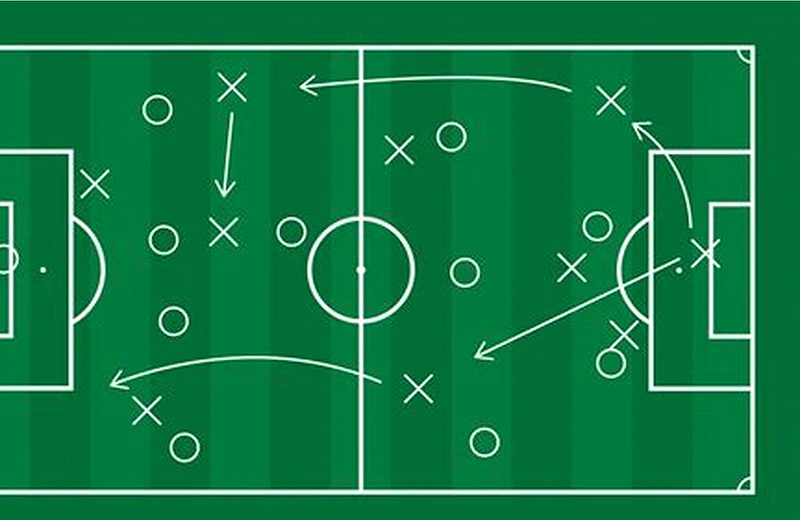
12 groups of 4 teams. Top two teams from each group plus the eight best third-placed teams advance to the round of 32.
Every group contains four teams. Teams receive three points for a win and one point for a draw. At the end of the group stage, the top two teams in each group qualify automatically. The eight strongest third-placed teams also qualify, creating a 32-team knockout stage. Because third-place comparisons can involve teams from different groups, goal difference, goals scored and disciplinary criteria can become important even when a team is not first or second.
The standings page keeps all 12 group tables visible in native HTML. Before the tournament begins, the tables show zero values and a note that results will be updated from data files. During the tournament, the same tables can be refreshed after every match without changing the page template.
The schedule page contains a crawlable table with match number, date, local kickoff, stage, teams, venue, city and links to match, team and stadium pages. Filters for date, team, group, city, venue and stage enhance the table in the browser but the match rows remain in the HTML for search engines and users without JavaScript.
The opening match is attached to Mexico City Stadium, the group stage fills the first phase of the competition, and the knockout bracket runs from the round of 32 through the final. Knockout placeholders are clearly labeled until the actual qualifiers are known.
View full scheduleThe 16 host venues span Canada, Mexico and the United States. Venue pages include FIFA venue name, real arena name, city, metro area, capacity, address, timezone, transport notes and match links.
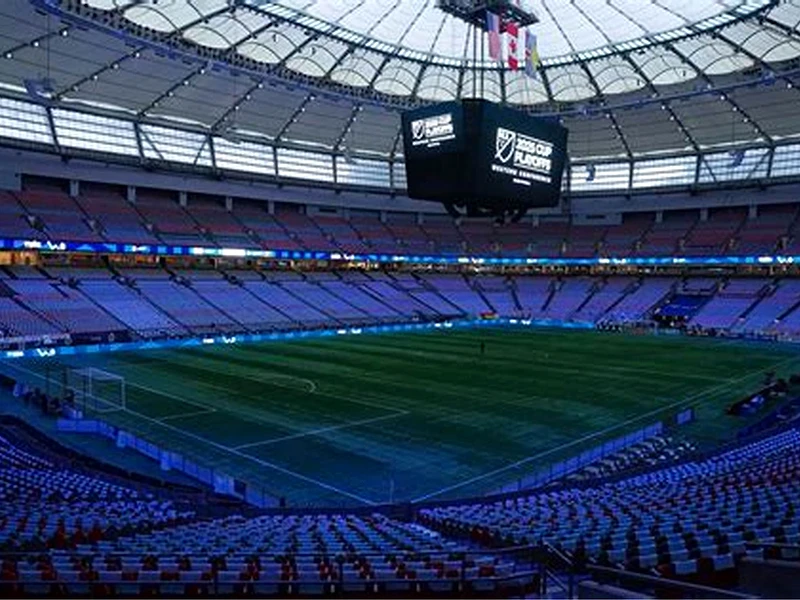
Vancouver, British Columbia
BC Place · 48,821 World Cup capacity · Canada
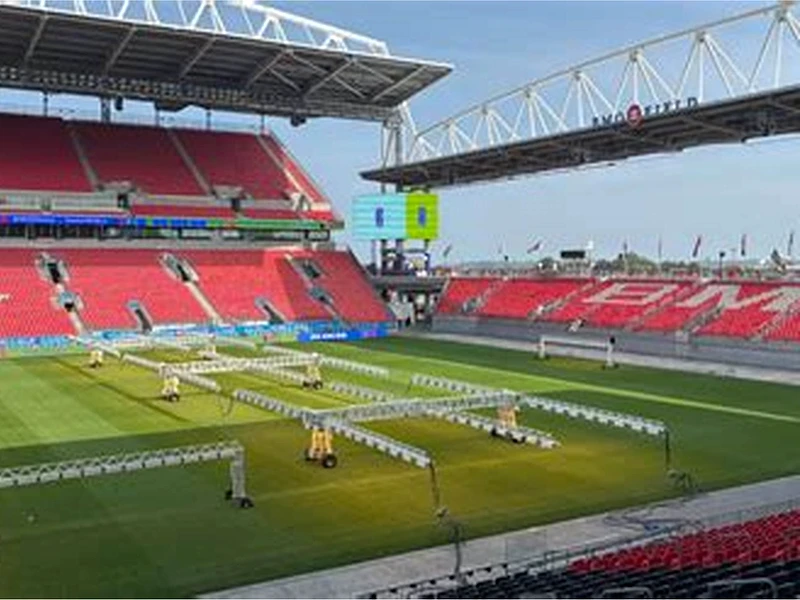
Toronto, Ontario
BMO Field · 44,315 World Cup capacity · Canada
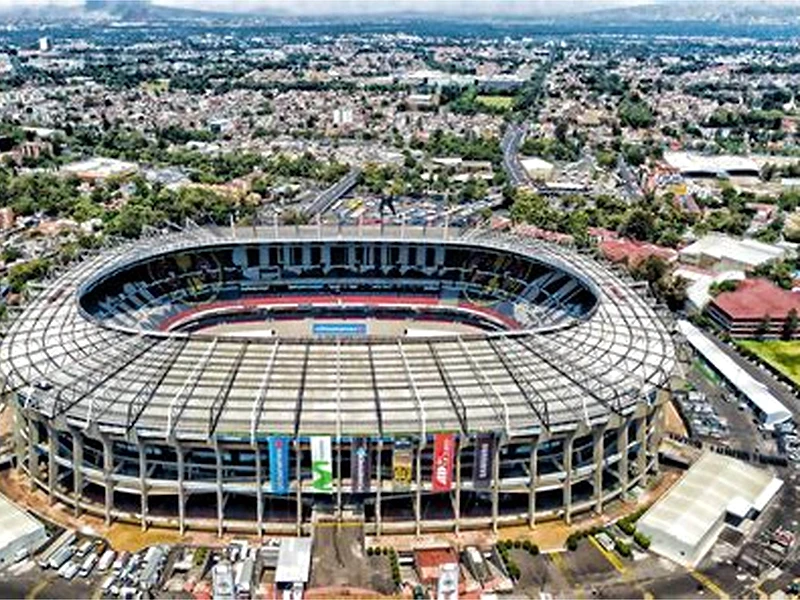
Mexico City
Estadio Azteca / Estadio Banorte · 72,766 World Cup capacity · Mexico
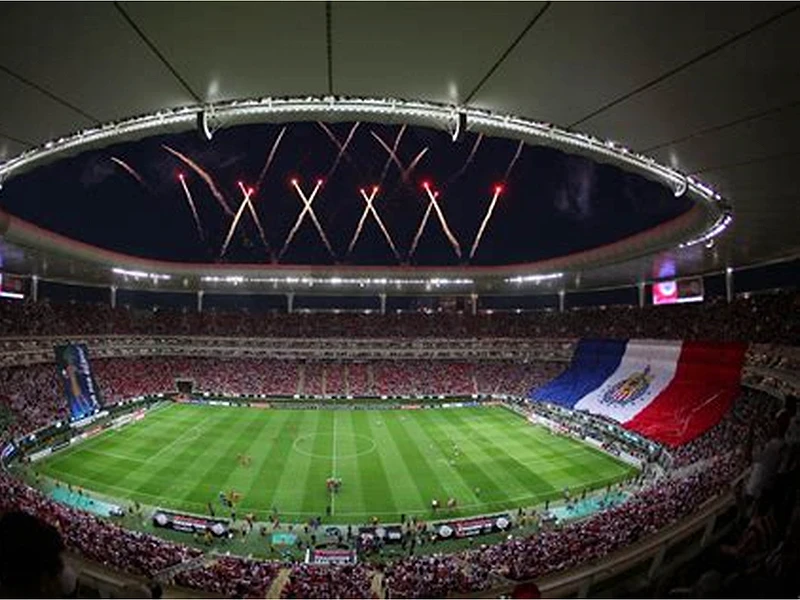
Guadalajara, Jalisco
Estadio Akron · 44,330 World Cup capacity · Mexico
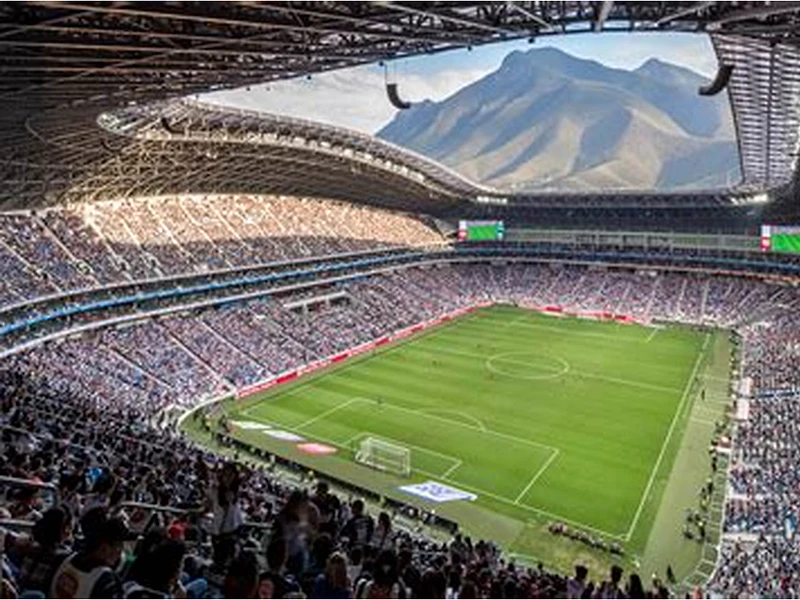
Monterrey, Nuevo Leon
Estadio BBVA · 50,113 World Cup capacity · Mexico
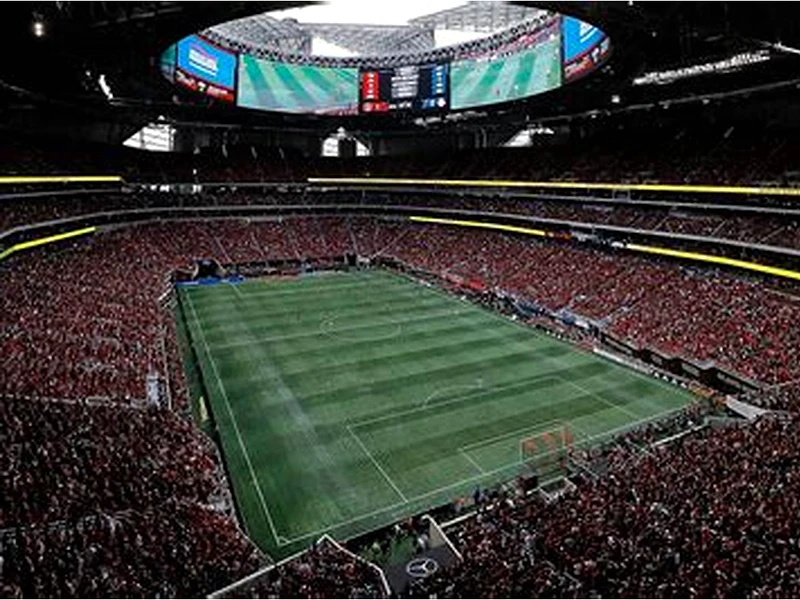
Atlanta, Georgia
Mercedes-Benz Stadium · 67,382 World Cup capacity · United States
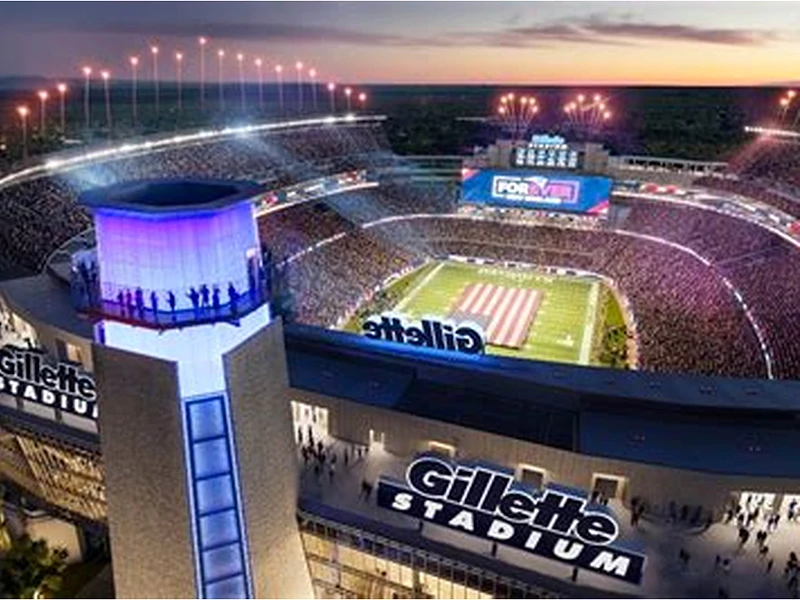
Boston, Massachusetts
Gillette Stadium · 63,815 World Cup capacity · United States
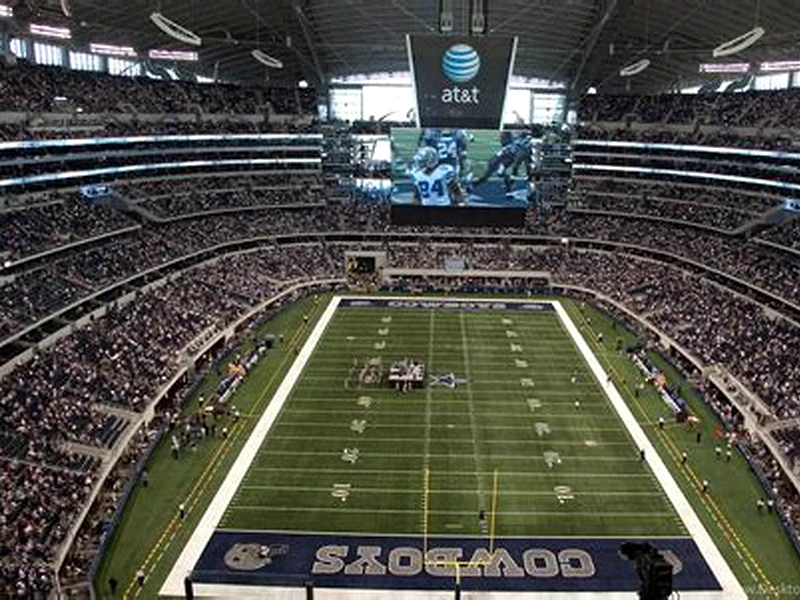
Dallas, Texas
AT&T Stadium · 70,122 World Cup capacity · United States
Team pages do not invent final squads. Until official squad data is published, each team page shows group, confederation, qualification path, match schedule and a visible squad status note. When verified squad data becomes available, it should be added in the data layer and reused across the squads hub and team pages.
Open squads trackerA three-country World Cup creates planning complexity. Fans should compare time zones, summer heat, stadium access, border requirements, late-night transport, accommodation pressure and official entry rules. This guide provides planning notes but does not replace official travel advisories, venue operations notices or local emergency information.
Broadcast rights also vary by country. The where-to-watch page stores rights by market and marks unverified countries as to be confirmed instead of assuming global access.
The tournament is scheduled from June 11, 2026 to July 19, 2026.
Canada, Mexico and the United States host the FIFA World Cup 2026.
There are 48 teams, split into 12 groups of four.
The tournament frame has 104 matches, including the expanded knockout stage.
The final is scheduled for New York New Jersey Stadium on July 19, 2026.
Final squads are not treated as verified until official squad data is published.
This hub is the main factual page for the national-team tournament. It should stay separate from the Club World Cup pages, because the Club World Cup is a club competition with different teams, schedules and qualification rules. Users who arrive through similar FIFA tournament searches should be routed to the correct page instead of being shown mixed facts.
Tournament facts on this site should be changed in typed data files first. Dates, group assignments, venue information, match rows, ticket status and squad notes should not be edited randomly inside page copy. That keeps the homepage, schedule, standings, teams, stadiums and search index aligned after each build.
The highest-volatility topics are tickets, squads, results, standings and broadcast rights. Those areas need visible last-updated dates and conservative wording. If a detail is not verified, the page should say so directly. That is the best way to serve searchers without pretending this independent guide is an official FIFA resource.